There’s been something that’s been bothering us for a while and it’s beginning to get on our nerves.
Published date: 07 April 2026
Too often, public art is treated as a ‘nice to have’ or in some cases ‘a problem’. Only seriously considered if there’s a public art condition but not necessarily with a realistic budget. Delivery timescales are a mine field too. Either delivered quickly or pushed back 4,5,6 years! We have more to say over timescales, perhaps we’ll save that for another BLOG
After more than 20 years in the industry, we can say with confidence: this mindset is holding projects back.
For us, public art isn’t a problem. It’s an opportunity to create identity, to connect people to place, and to bring long-term value to developments and communities alike. Done well, it doesn’t just enhance a space, it helps define it.
And when it’s done properly, it adds real, tangible value.
So it’s increasingly hard to ignore the patterns that continue to undermine it.
We’re talking about:
- Public art strategies commissioned with no real intention of delivery
- Public art concepts developed without artists
- Public art reduced to a planning tick box
- Communities brought into conversations that quietly go nowhere
- Artists asked to produce ideas for free
- Specialist expertise sidelined or undervalued
This isn’t just frustrating, it’s bad practice.
And ultimately, it’s short-sighted.
Because cutting corners on public art doesn’t save money. It creates weaker outcomes. It dilutes impact. And more often than not, it leads to rethinking things further down the line, at greater cost.
It’s the same old story: do it properly or do it twice.
There is another way to approach this.
Bring in the right people early. Trust their expertise. Treat artists as collaborators, not afterthoughts. And recognise that public art, when properly embedded, isn’t an extra, it’s part of what makes a place work.
The difference is clear. You see it in the quality of the work, in how communities respond, and in the long-term success of a development.
We’ve built our practice around this belief, and we’ve seen the results.
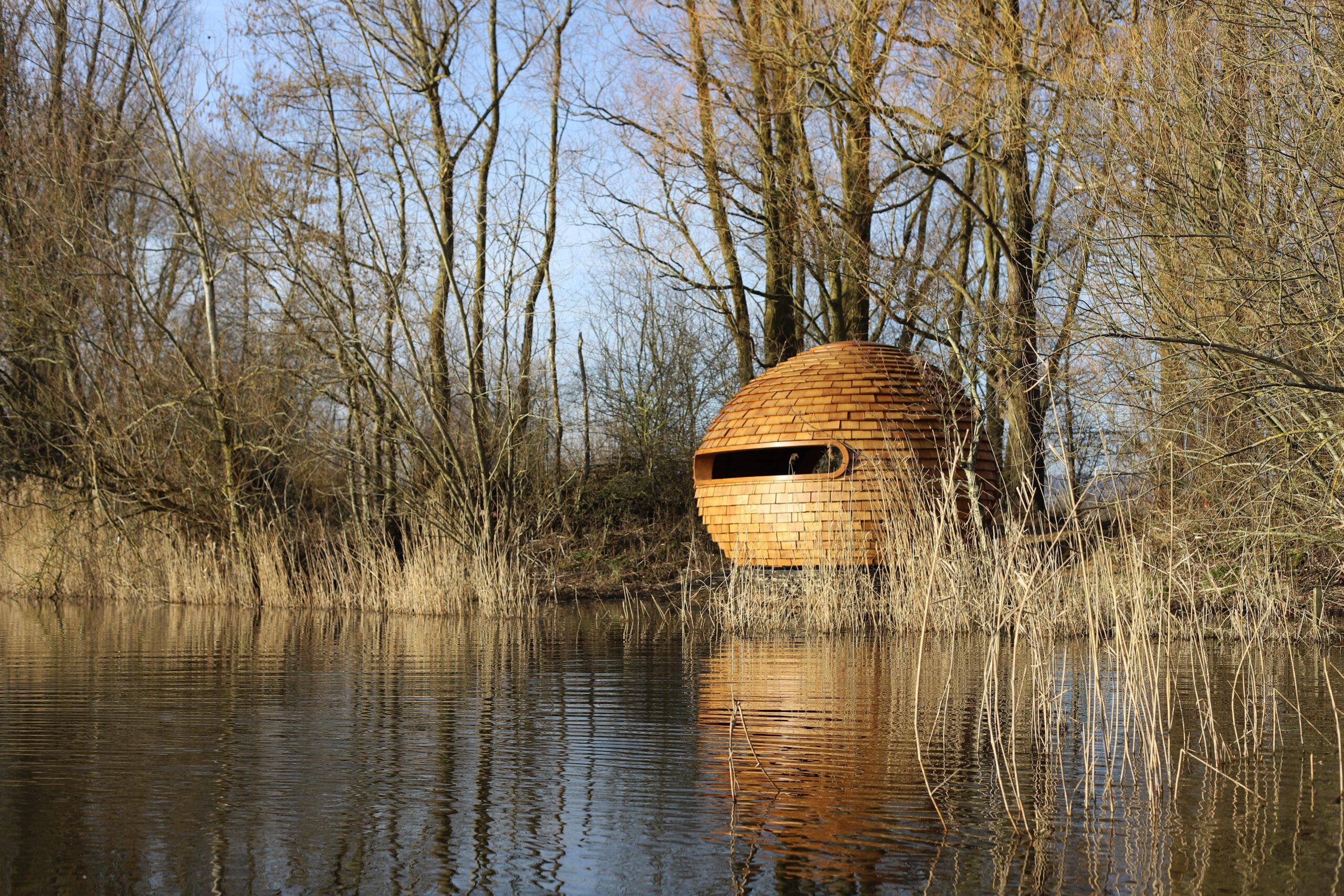
We’ll leave you with an image of Dwell by artist Tim Norris. Definitely NOT ‘A nice to have’.